

DENSO America
Competencies
Experience Audit
User Research
Interaction Design
Interface Design
Information Architecture
Design Library
Elevating Production Flow with a Reimagined Andon Display
Visibility into Supply Needs
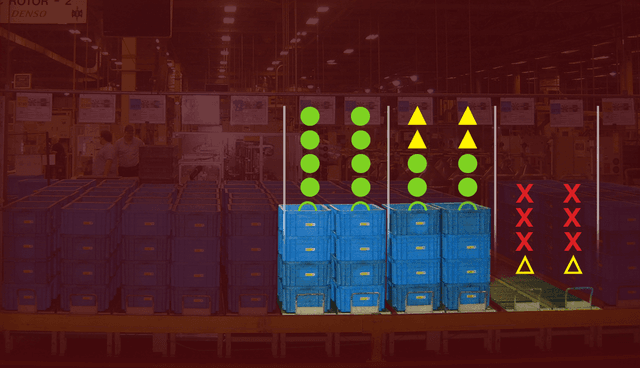
Eliminated manual monitoring by giving forklift drivers and line leaders real-time visibility into supply levels right from the display.
Process Awareness, Not Just Numbers
Reframed the Andon from a live counter to a complete view of real-time production empowering teams to act before problems appear.
A Shared Visual Language Across the Floor
Introduced shape and color coded indicators to show stock status, production timing, and urgency making the invisible visible for everyone.
Denso America, a leading manufacturer within the global Toyota Production System (TPS), engaged Flying Circle to reimagine their Andon display system—a foundational tool used to coordinate real-time manufacturing activity on the production floor. The request wasn’t simply for a visual redesign, but for a strategic rethink of how these displays could better serve line operators, forklift drivers, team leads, and executives alike. With efficiency, morale, and just-in-time manufacturing on the line, Flying Circle partnered closely with Denso to design a smarter, more transparent, and human-centered display experience that aligned with lean manufacturing principles.
Product Design
Denso’s Andon displays were no longer keeping pace with the demands of just-in-time manufacturing. The screens were too small, poorly placed, and difficult to interpret—especially for forklift drivers who needed to anticipate where parts were needed next. Instead of streamlining operations, the displays created inefficiencies, delays, and constant manual monitoring.
Morale was also affected. Prominent red warning alerts signaled production slowdowns without context, creating stress on the floor. Team members lacked visibility into production depth, and leaders had limited insight into the overall process. The system intended to support lean manufacturing had become a source of friction.
Design Approach
Redesigning for Real-Time Coordination
Flying Circle began with on-site research, observing Denso’s production floor in action and interviewing operators, leads, and forklift drivers. It quickly became clear that the existing displays weren’t just hard to see—they lacked the clarity and context needed to support just-in-time decisions.
We reimagined the display as a real-time coordination tool. Larger screens were tested and repositioned for better visibility, especially for forklift drivers. A new visual language used simple shapes and colors to represent stock states, allowing team members to understand production flow at a glance.
Rotating views provided both scheduling and in-the-moment tracking, giving every role—from operators to executives—the insight they needed to act with confidence.
Supporting denso’s manufacturing Philosophy
We took to heart the just-in-time production system
Solution to Complex Display
A Visual Language for Just-in-Time Manufacturing
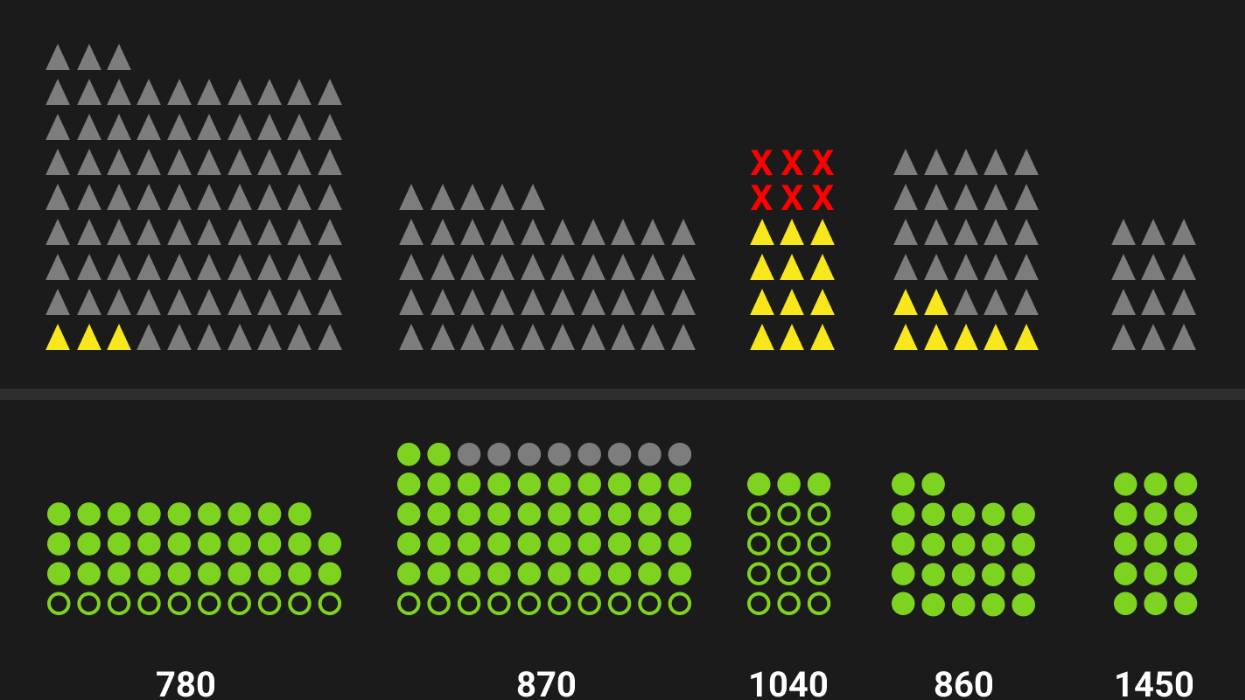
Flying Circle transformed the Andon display into a system of real-time, visual communication that supports Denso’s lean manufacturing goals. Rather than relying on traditional alerts or dense numeric readouts, the new display uses simple shapes, intuitive layouts, and color-coded groupings to convey inventory levels, production timing, and availability at a glance.
Flying Circle transfor this visual language made complex manufacturing data accessible to everyone on the floor—from forklift drivers to executives—without the need for training or explanation. By seeing the bigger picture, team members could act faster, adjust more confidently, and reduce friction across the production process. Med the Andon display into a system of real-time, visual communication that supports Denso’s lean manufacturing goals. Rather than relying on traditional alerts or dense numeric readouts, the new display uses simple shapes, intuitive layouts, and color-coded
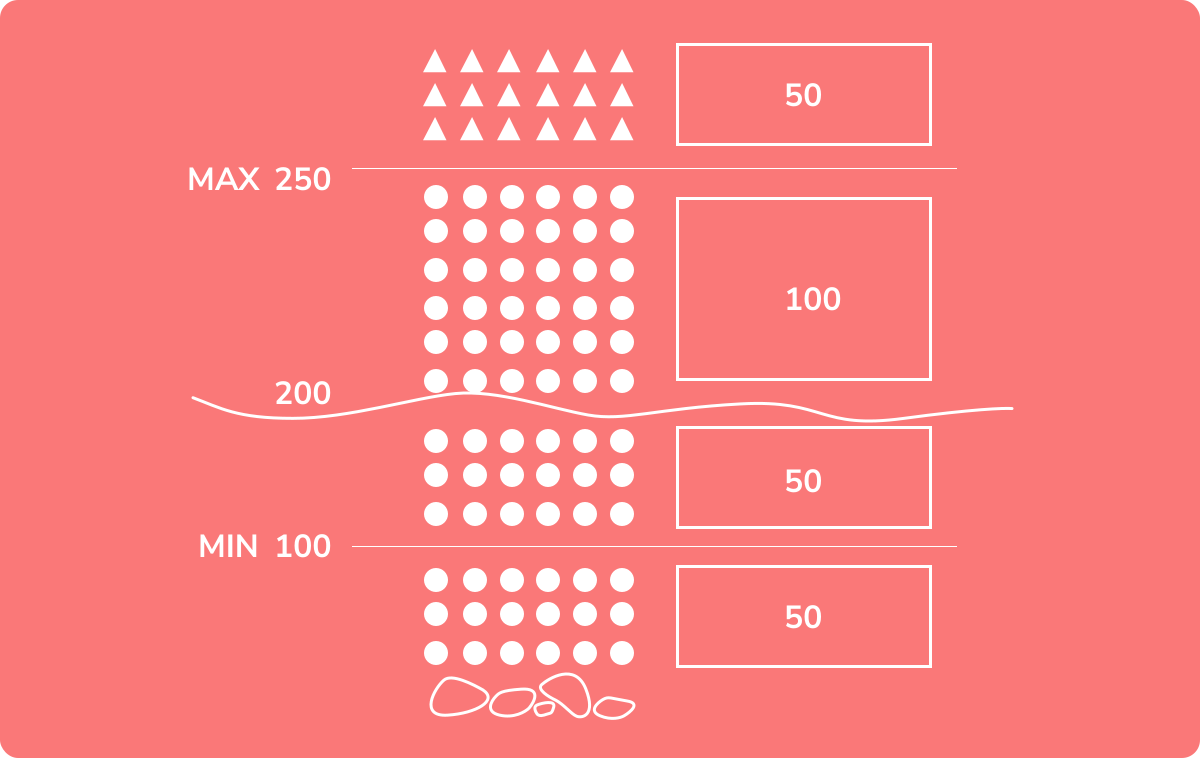
CONVEYING CRITICAL LEVELS OF INVENTORY
Visual indicators communicate production depth in real-time, empowering forklift drivers and line operators to act efficiently and make proactive adjustments.
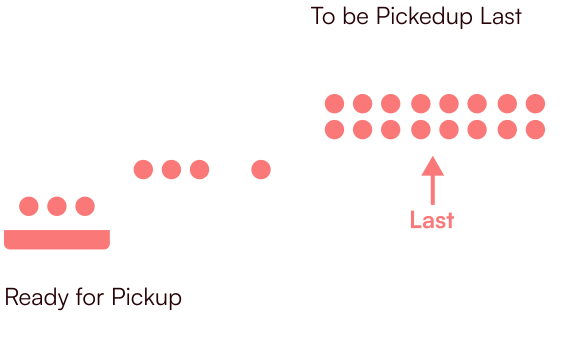
Providing a sense of timing to improve efficiency
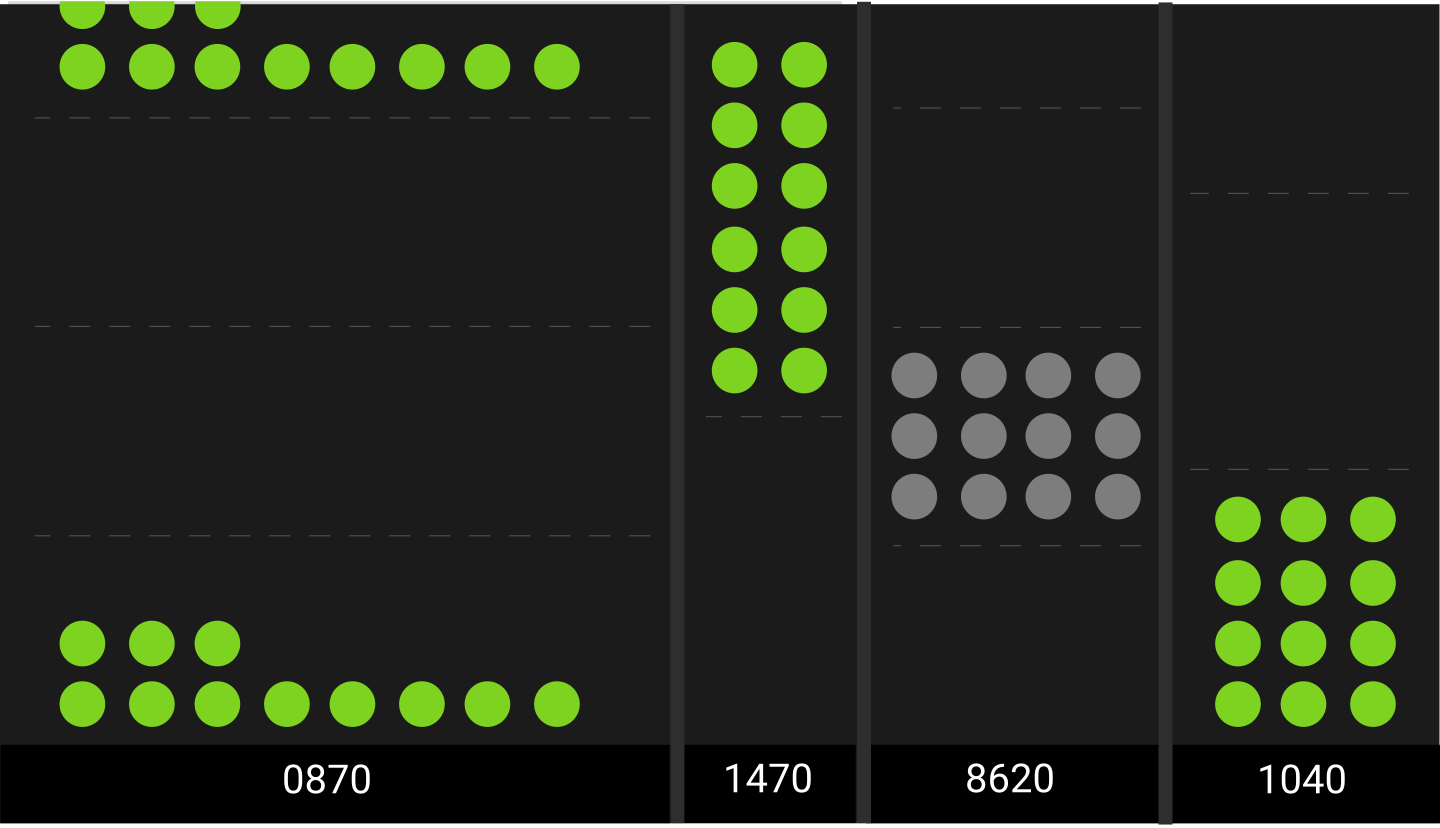
Visual iPatterns and placement indicate which parts are ready for pickup and which are scheduled last—helping teams plan their actions ahead of time indicators communicate production depth in real-time, empowering forklift drivers and line operators to act efficiently and make proactive adjustments.
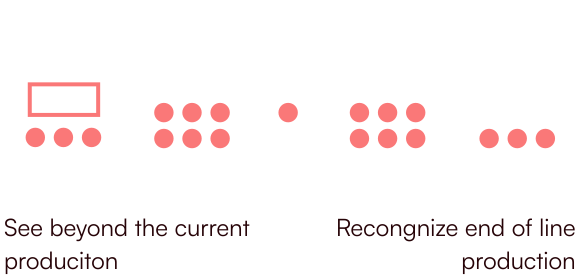
Conveying critical levels of inventory
UI spacing helps forklift drivers and line operators see beyond the current inventory-making end-of-line status and hidden production states more visible.
IN STOCK
Standardized shapes create a consistent, shared understanding of inventory conditions.

OUT OF SCHEDULE
Flexible production requires flexible inventory. Symbols indicate potential issues high-level issues.

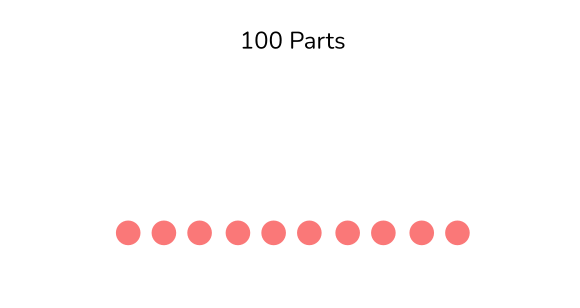
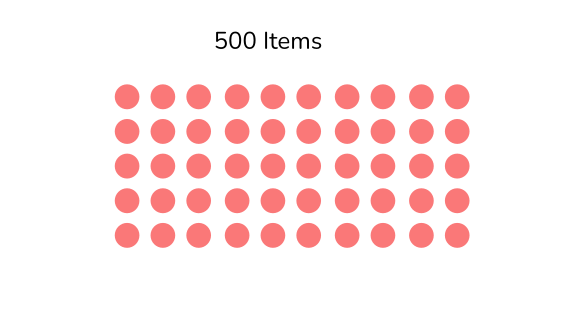
COMMUNICATING NUMERIC VALUES WITH SHAPES
The display uses repetition of simple symbols to indicate scale. While exact counts are secondary, shape groupings convey the volume of parts clearly—reinforcing pacing and stock levels.
Challenge 2
When Is It Ready? The Timing Was Confusing.
On a fast-paced manufacturing floor, timing is everything—especially for forklift drivers who need to know when and where parts are ready for pickup. The original Andon system failed to provide a clear view of what was ready now versus later. Without an intuitive signal for pickup order, drivers relied on visual guesswork and experience, leading to inefficiencies and delays.
Scheduling Transparency
What’s Scheduled, What’s Behind, and What’s Coming—All at Once
Denso’s line leaders and managers needed a faster, clearer way to understand scheduling across multiple production lines. The original Andon system couldn’t surface production pacing, delays, or overflow at a glance. Instead, managers relied on fragmented sources of data or physical walk-throughs—slowing down decisions and making proactive planning difficult.
Rotating How We See Production
Building Multi Views Without Losing Clarity
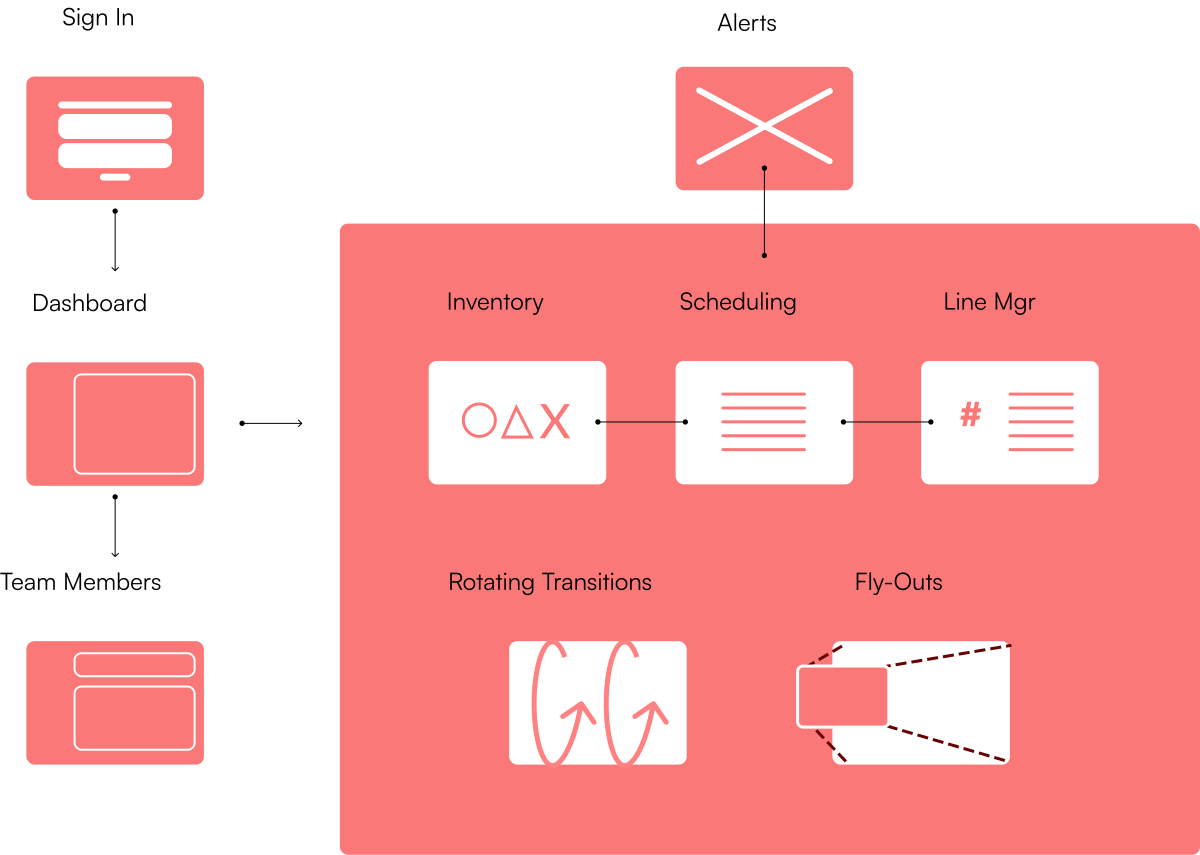
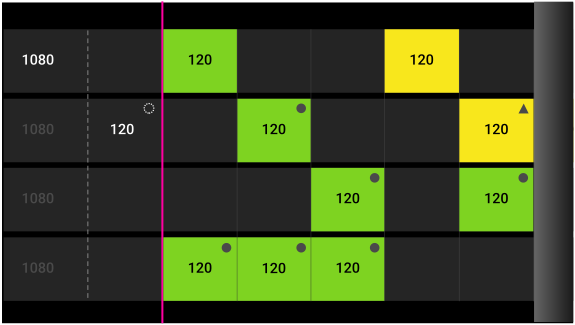
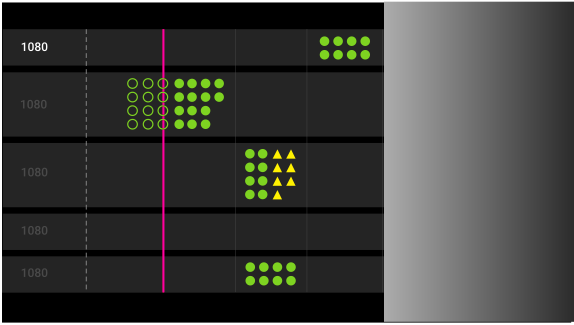
Flying Circle extended the Andon design system into scheduling by introducing three dynamic views. Each view presented the same manufacturing data through a different lens: time blocks, shape-based inventory levels, and system-critical alerts. Our focus was on maintaining visual consistency—so that symbols used on the floor also made sense in the management view—while introducing a rhythm that supported planning and forecasting.
Display Solutions to Scheduling
Visual Scheduling
Flying Circle introduced a set of modular scheduling views designed for clarity and speed. Each manufacturing line was represented as a row, with time-based blocks showing scheduled production. Colors and familiar symbols—circles, triangles, and Xs—indicated inventory status and urgency.
To match different roles and planning needs, we developed three synchronized views:
The consistent visual language made it easy for managers and leads to spot issues, adjust priorities, and stay ahead—without stepping away from their station.
To match different roles and planning needs, we developed three synchronized views:
- A top-down schedule for pre-shift planning
- A real-time horizontal timeline
- A depth view to expose flow and bottlenecks
The consistent visual language made it easy for managers and leads to spot issues, adjust priorities, and stay ahead—without stepping away from their station.
Confident Outcome Creates Trust
Designing for Everyone, in Every Language
Team members no longer feared red screens. Instead, they had a clear, tiered system that helped them respond confidently and take corrective action early. Managers could spot critical issues at a glance without scanning the entire board. The Andon display became a source of support—not stress—enhancing transparency, trust, and team performance across the floor.
Notifications & Alerts
When Every Alert Feels Critical, Nothing Gets Prioritized
The original Andon system used red alerts to indicate slowdowns, stockouts, or general issues. But with no hierarchy or context, these warnings often caused confusion and stress. Team members couldn’t distinguish between minor delays and true emergencies. The result? Missed opportunities, overcorrections, and a steady erosion of trust in the system.
Display Solutions to Scheduling
Designing Urgency Without Panic
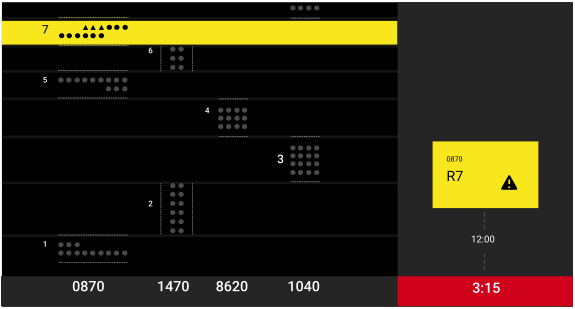
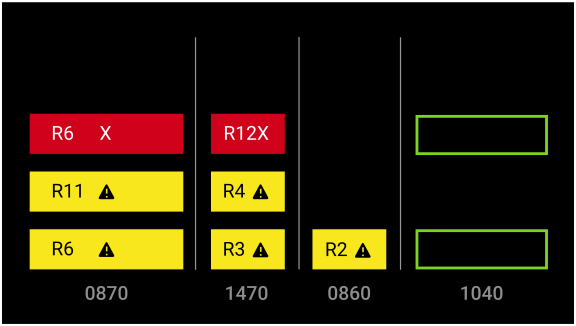
The new display system introduced a three-tier alert model:
Each alert tile showed the line, resource, and priority level using color, iconography, and placement. Urgent issues appeared first and stayed persistent until resolved, while lower-tier warnings remained visible but unobtrusive. Contextual timing and batch IDs provided clarity without overwhelming the team.
- Green for normal operation
- Yellow for attention needed
- Red for critical issues
Each alert tile showed the line, resource, and priority level using color, iconography, and placement. Urgent issues appeared first and stayed persistent until resolved, while lower-tier warnings remained visible but unobtrusive. Contextual timing and batch IDs provided clarity without overwhelming the team.
Confident Outcome Creates Trust
From Disruption to Direction
The new alert system brought clarity back to the floor. Team members no longer felt blindsided by red screens—they understood what was happening and why. Leaders could respond confidently, focus on the right issues, and prevent problems before they escalated. Alerts became a tool for alignment, not interruption.
Project Outcome
When Every Alert Feels Critical, Nothing Gets Prioritized
The redesigned Andon system did more than improve visibility—it transformed how Denso’s teams work together on the floor. Forklift drivers now anticipate pickups instead of chasing them. Line leaders schedule with confidence rather than react under pressure. And team members respond to alerts with clarity, not confusion.
By introducing a shared visual language rooted in timing, flow, and context, Flying Circle helped Denso bring the principles of the Toyota Production System to life on-screen. What was once fragmented and reactive is now unified, transparent, and real-time—turning the Andon display into a tool for collaboration, not just communication.
By introducing a shared visual language rooted in timing, flow, and context, Flying Circle helped Denso bring the principles of the Toyota Production System to life on-screen. What was once fragmented and reactive is now unified, transparent, and real-time—turning the Andon display into a tool for collaboration, not just communication.
See the success of the Flying Circle approach







See the success of the Flying Circle
approach to
approach to